How to Remove Bees Safely from Your Home Without Harming Them
Finding bees buzzing around your home can be unsettling. Maybe they’re building a hive in your wall, clustered under your roof, or flying in and out of your attic. Your first instinct might be to grab a can of spray and eliminate the problem fast. But before you do, let me share something important: learning how to remove bees the right way protects both your home and these essential pollinators.
I’ve been helping Central Texas homeowners solve their bee problems humanely for years. Let me walk you through some of the things you need to know.
How to Remove Bees Safely from Your Home Without Harming Them
Finding bees buzzing around your home can be unsettling. Maybe they’re building a hive in your wall, clustered under your roof, or flying in and out of your attic. Your first instinct might be to grab a can of spray and eliminate the problem fast. But before you do, let me share something important: learning how to remove bees the right way protects both your home and these essential pollinators. I’m Ben Baecker from Respite Bee Farm, and I’ve been helping Central Texas homeowners solve their bee problems humanely for years. Let me walk you through everything you need to know.
Why You Should Never Kill Honeybees
Before we talk about removal methods, let’s address why this matters. Honeybees are dying at alarming rates, and every colony counts. These creatures pollinate the food we eat, the wildflowers we enjoy, and the gardens that make our neighborhoods beautiful. When you destroy a hive instead of relocating it, you’re eliminating thousands of beneficial insects that our ecosystem desperately needs.
Beyond the environmental reasons, there are practical considerations too. Killing bees inside your walls creates a nightmare you don’t want to deal with. Dead bees attract beetles, moths, and other pests. The honeycomb melts in our Texas heat and seeps through drywall, causing stains and damage. The smell lingers for months. I’ve seen homeowners spend so much more money having to fix problems that started with a ten dollar can of bug spray.
God put these creatures here for a reason. Our job is to respect that purpose, even when they’ve chosen an inconvenient location for their home.
Identifying What Kind of Bees You’re Dealing With
Not every buzzing insect is a honeybee, and identification matters when you’re figuring out how to remove bees from your property. Let me break down what you might be seeing.
Honeybees are fuzzy with golden brown stripes. They’re generally calm unless you’re threatening their hive directly. You’ll see them visiting flowers one at a time, and they’re only aggressive when defending their colony. These are the bees we relocate with care.
Yellow jackets are smooth, brightly colored, and mean tempered. They’re scavengers that hang around trash cans and picnic areas. These aren’t honeybees and they don’t get the gentle treatment, though we still handle them responsibly.
Wasps build exposed paper nests under eaves or in sheltered spots. They’re territorial but generally mind their own business unless you disturb them.
Carpenter bees are large, shiny, and they bore holes in wood. They’re solitary creatures that can damage structures over time but aren’t typically aggressive.
Signs You Have a Bee Problem That Needs Attention
A few bees flying around your yard isn’t cause for alarm. But certain signs indicate you’ve got a situation that requires professional help.
Constant activity in one specific spot is your first clue. If you’re seeing dozens of bees entering and exiting the same location throughout the day, that’s an established colony. They’re not just visiting. They’ve moved in.
Hearing buzzing inside your walls or ceiling is another telltale sign. I get calls about this constantly from homeowners in Temple and Georgetown. That sound means the colony is large enough that you can hear it through the structure. They’ve been there a while and they’re growing.
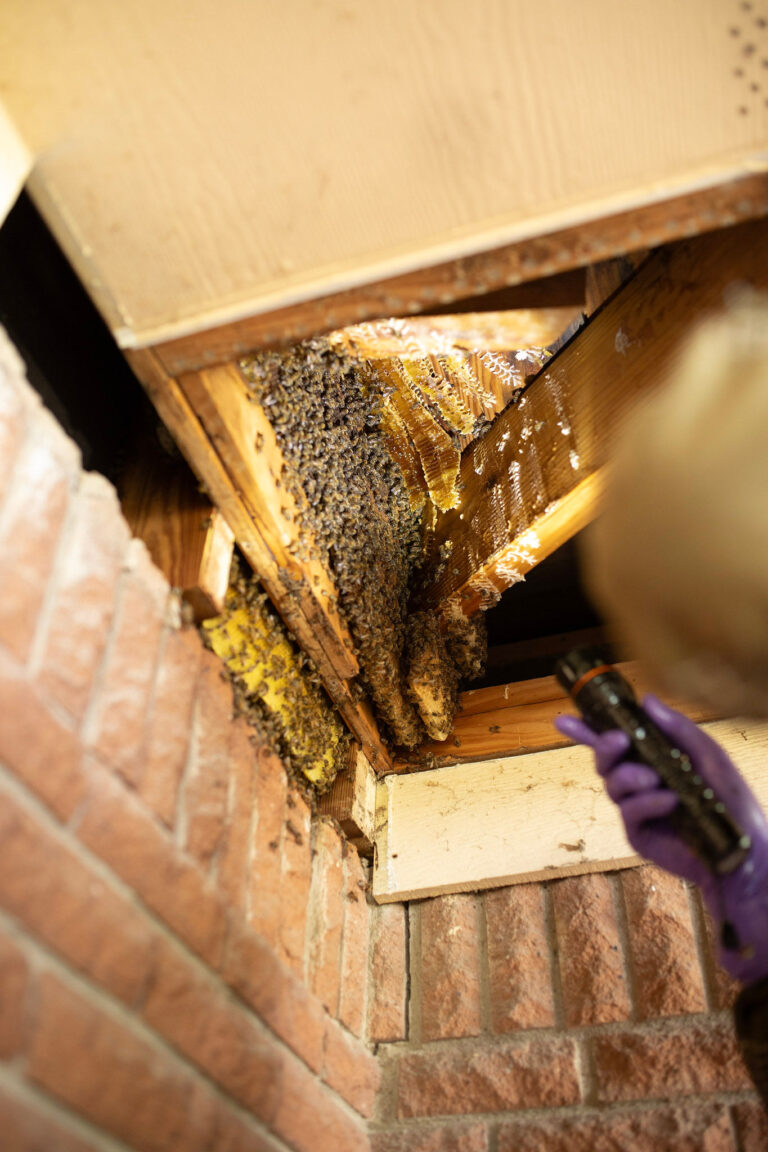
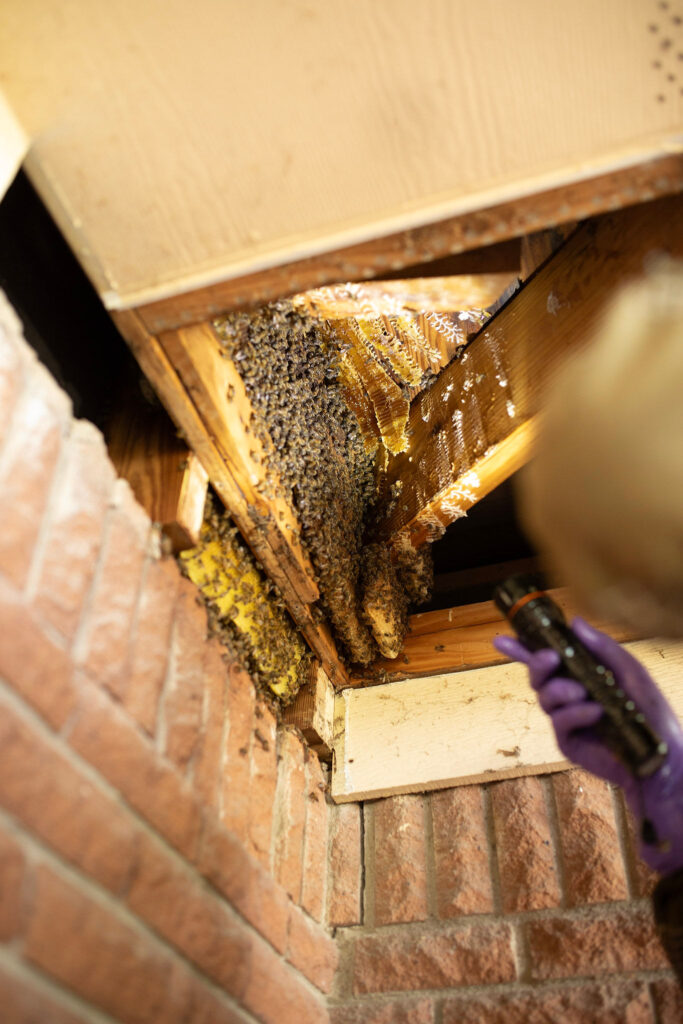
Visible honeycomb is an obvious indicator. If you can see the waxy comb structure anywhere on your property, you’re looking at an active hive that needs immediate attention.
Time is also a factor. Swarms typically move on within 48 to 72 hours if they don’t find a permanent home. If your bee visitors are still around after two weeks, they’ve found that permanent home in or near your structure.
The Wrong Ways to Remove Bees
Let me save you some pain, money, and regret by telling you what not to do.
Never spray bees with insecticide inside an enclosed space like a wall cavity. You’ll kill the bees, sure, but then you’re stuck with thousands of dead insects rotting in your wall. The smell is pretty gross, the cleanup is expensive, and you’ve solved nothing. The entry point is still open and the next swarm will move right in.
Don’t try to seal bees inside thinking they’ll die or leave. Bees are resourceful problem solvers. They’ll chew through spray foam, find gaps you didn’t know existed, or create new exits. I’ve known bees to emerge into living spaces because someone sealed their outside entrance. That’s dangerous for everyone involved.
Ignoring the problem hoping it will resolve itself is wishful thinking. Established colonies don’t relocate on their own. They grow. That small hive in your soffit today will be a massive colony filling your entire wall cavity in six months.
And please, don’t attempt a DIY removal of an established hive without proper equipment and training. I’ve gotten emergency calls from people who tried to handle it themselves and ended up in the hospital with multiple stings. Honeybees are generally gentle, but they defend their home aggressively when threatened. A colony can have 30,000 to 60,000 bees. Those aren’t odds you want to face unprepared.
How to Remove Bees Humanely: The Professional Approach
Now let’s talk about the right way to handle bee removal. This is the process we follow at Respite Bee Farm for every job.
Step One: Proper Assessment
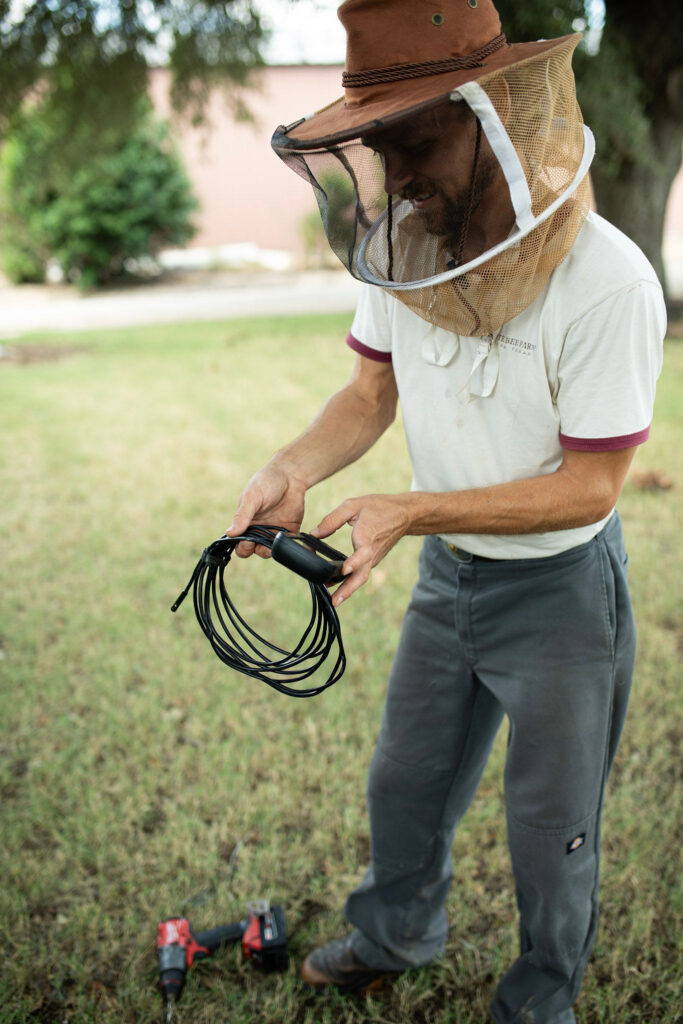
The first step in learning how to remove bees safely is understanding exactly what you’re dealing with. We start with a thorough inspection. Where is the colony located? How long has it been there? How large has it grown? What’s the best access point for removal?
Sometimes the entry point is obvious. Other times we use listening devices and thermal imaging to locate the hive without unnecessary demolition. This assessment determines our approach and gives you an accurate estimate of the time and cost involved.
Step Two: Live Bee Collection
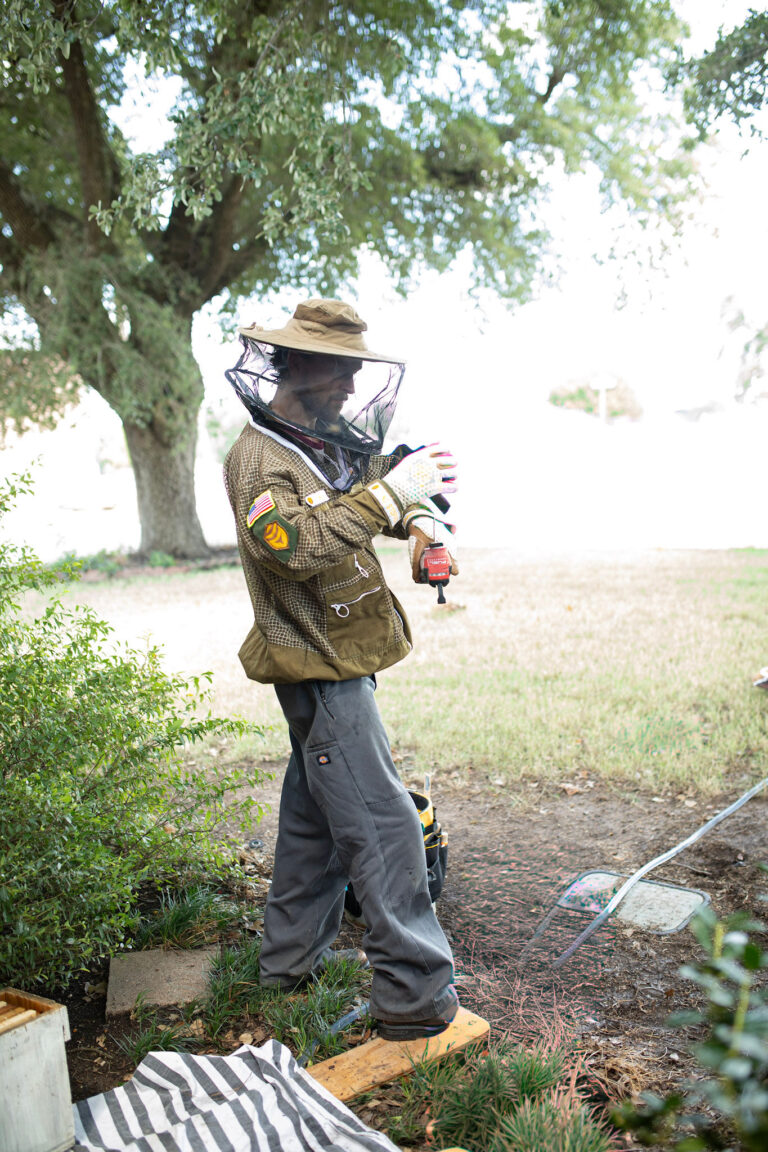
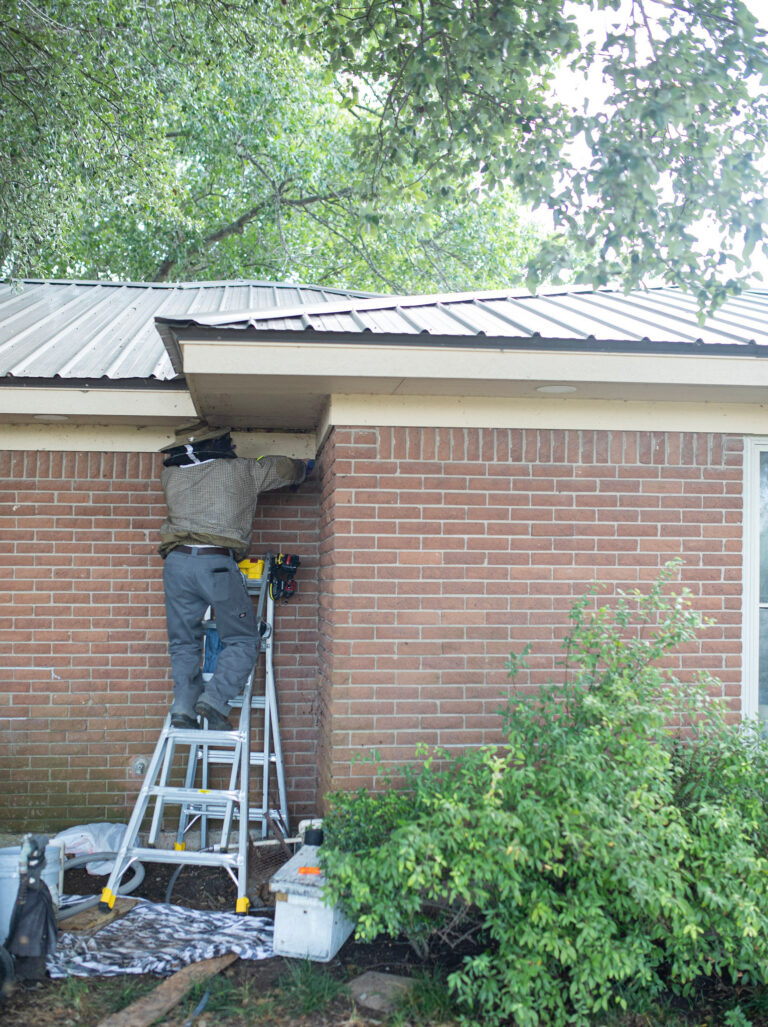
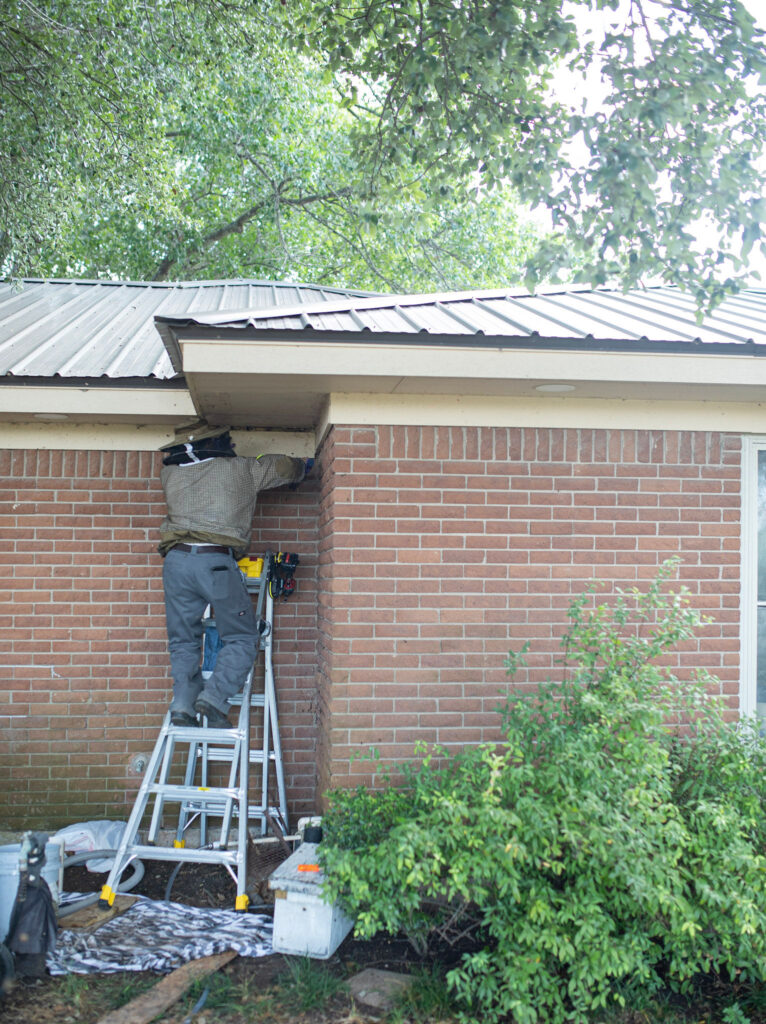
Once we know where the colony is, we carefully open the structure. This might mean removing siding, cutting into a soffit, or accessing an attic space. We work methodically because rushing this process causes problems.
The bees are gently collected using specialized equipment. We’re not vacuuming them up violently. We’re carefully transferring them into boxes designed for bee transport. The most critical part of this step is finding the queen. She’s the heart of the colony, and without her, the workers won’t settle in their new location.
I remember a removal in Temple last year where we found the queen hiding in a crack in the wall studs. Took us an extra hour to locate her, but it was worth it. That colony is thriving on our farm now, pollinating wildflowers and producing beautiful honey.
Step Three: Complete Comb Removal
Here’s where many removal services cut corners, but this step is crucial. Every piece of honeycomb must come out. Leaving comb behind creates multiple problems. The smell attracts new swarms. The wax melts and causes structural damage. Pests move in to feed on the remnants.
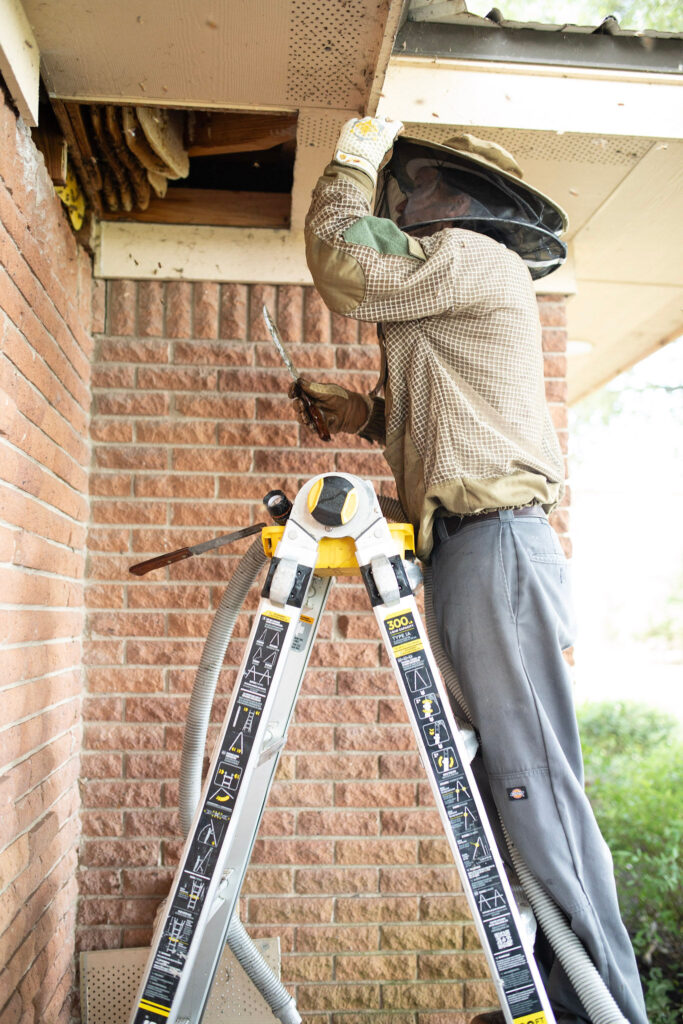
We remove every ounce of comb, honey, and pollen. Depending on how long the colony has been established, this could be a few pounds or over 50 pounds of material. I’ve seen colonies that had been in walls for years with comb structures that filled entire cavities floor to ceiling.
Step Four: Structural Repair and Prevention
After the bees and comb are out, we clean the area thoroughly and treat it with natural deterrents that discourage future hive establishment. Then we seal every entry point. This isn’t optional. If you don’t properly seal the gaps the bees used, you’re just putting out a welcome sign for the next passing swarm.
We use materials that match your home’s exterior and provide lasting protection. The goal is to make repairs that blend in and actually keep bees out long term, not temporary patches that fail in six months.
Step Five: Relocation to a Safe Location
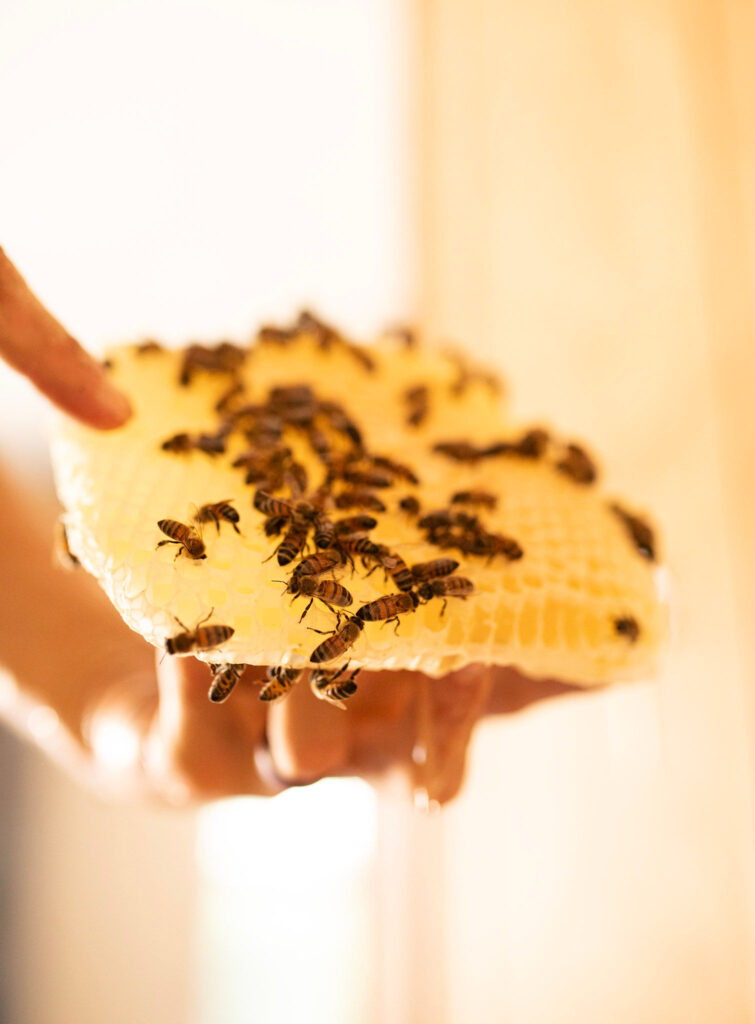
The final step is giving these bees a proper home where they can do what they were designed to do. At Respite Bee Farm, relocated colonies join our apiary where they pollinate native plants, produce honey, and contribute to our local bee population’s genetic diversity.
This is the part that makes humane removal worth it. These bees continue their important work instead of dying in a wall somewhere. Your problem is solved, and the ecosystem benefits.
Understanding Swarm Removal vs Structural Hive Removal
There’s an important distinction between these two situations, and it affects everything from timeline to cost.
Swarm removal happens when bees are clustered in the open, hanging from a branch, fence, or structure but haven’t moved into an enclosed space yet. These are homeless bees searching for a new location. Swarm removal is relatively straightforward. We collect the cluster, ensure we have the queen, and relocate them. This often takes just an hour or two and can sometimes be done for free or minimal cost because the labor involved is minimal.
Structural hive removal means the bees have already established themselves inside your home. They’ve built comb, stored honey, raised brood, and settled in. This requires opening structures, removing all the comb, collecting all the bees, repairing the opening, and properly sealing entry points. It’s more time intensive, requires more skill, and yes, costs more. But it’s also the only permanent solution when bees have moved into your walls, attic, or other enclosed spaces.
When to Call a Professional vs When to Wait
Not every bee sighting requires immediate professional intervention. Let me help you understand when to call and when to simply observe.
Call a professional immediately if:
- Bees are entering your living space through vents, light fixtures, or other openings
- Someone in your household is allergic to bee stings
- You can see or hear an established hive in your walls or attic
- Bees have been in the same location for more than two weeks
- You’re seeing consistent heavy traffic at an entry point
You can probably wait and observe if:
- You see a few scout bees checking out your property
- A small swarm has landed but it’s been less than 48 hours
- Bees are visiting flowers in your garden but not congregating anywhere
- You spotted a single bee inside that likely came through an open door
When in doubt, call anyway. A quick conversation with a local beekeeper can give you peace of mind and help you understand what you’re seeing. We’d rather get a call that turns out to be nothing than have someone wait too long and end up with a major problem.
The Cost of Doing It Right
Let’s talk honestly about pricing because nobody likes surprises. How much it costs to remove bees depends on several factors, but transparency matters.
Swarm collection from accessible outdoor locations is the most affordable option. The bees haven’t moved in yet, so there’s no structural work involved.
Established hive removal from structures involves more variables. How large is the colony? Where exactly is it located? What kind of structural opening and repair is required? A small hive that’s been in an easily accessed soffit for a few weeks is different from a massive colony that’s been thriving in an interior wall for three years.
We always provide estimates before starting work. The investment in proper humane removal pays off when you consider the alternative: dealing with dead bees, melting honeycomb, pest attraction, lingering odors, and structural damage from incomplete extermination jobs. Those problems often cost more to fix than professional removal would have cost in the first place.
Prevention Tips After Bee Removal
Once we’ve handled your current situation, let’s talk about preventing future problems.
Walk your property regularly and look for potential entry points. Gaps in soffits, damaged vent screens, holes where pipes or wires enter the house, these are all open invitations to scout bees looking for colony locations. Seal them before bees find them.
Keep an eye out during spring swarm season, typically March through May in Central Texas. If you see a swarm cluster forming on your property, call immediately. Catching them before they move into a structure is exponentially easier than removing an established hive.
Trim back tree branches and vegetation that touch your house. Bees often use these as highways to access entry points you might not notice from the ground.
If you’ve had professional bee removal, the entry points should already be sealed. But if you hired someone else or if it’s been a few years, double check that sealing work. Caulk degrades, wood warps, and gaps can reopen.
Why Choose Respite Bee Farm for Bee Removal in Central Texas
When you call Respite Bee Farm, you’re not getting a pest control company that sees bees as just another extermination job. You’re getting a beekeeper who understands these creatures, respects their role in our ecosystem, and genuinely wants to save them.
We know Central Texas bee behavior patterns. We understand which native plants they’re foraging on and why they’re attracted to certain structures. We recognize the signs of healthy colonies versus struggling ones. And we’re invested in these bees long after they leave your property because they’re coming to live on our farm.
We’re also right here in the community. You’re not dealing with a call center three states away. You’re talking directly to the person who’s going to show up, assess your situation, and do the actual work. We live here, work here, and care about our neighbors.
Every removal is an opportunity to educate. We’ll show you what the bees were doing, explain why they chose that location, and answer any questions you have. Kids especially love seeing the process. It changes their whole perspective on these remarkable insects.
Take the Next Step Toward Humane Bee Removal
If you’re dealing with bees in your Temple, Georgetown, or Central Texas home, you have a choice. You can treat them as pests and eliminate the problem with poison, leaving behind all the issues that come with dead bees and abandoned comb. Or you can treat them as the valuable creatures they are and give them a new home where they can continue their essential work.
We’d be honored to help you choose the second path.
Respite Bee Farm has been serving Central Texas with professional, humane solutions for years. We’re beekeepers first, which means we handle every colony with care and expertise. Your bee problem gets solved properly, the bees get relocated safely, and Central Texas keeps its pollinators working.
Ready to solve your bee situation the right way? Contact Respite Bee Farm today for a consultation and estimate. Let’s get those bees relocated safely and restore your peace of mind.